Skip to content
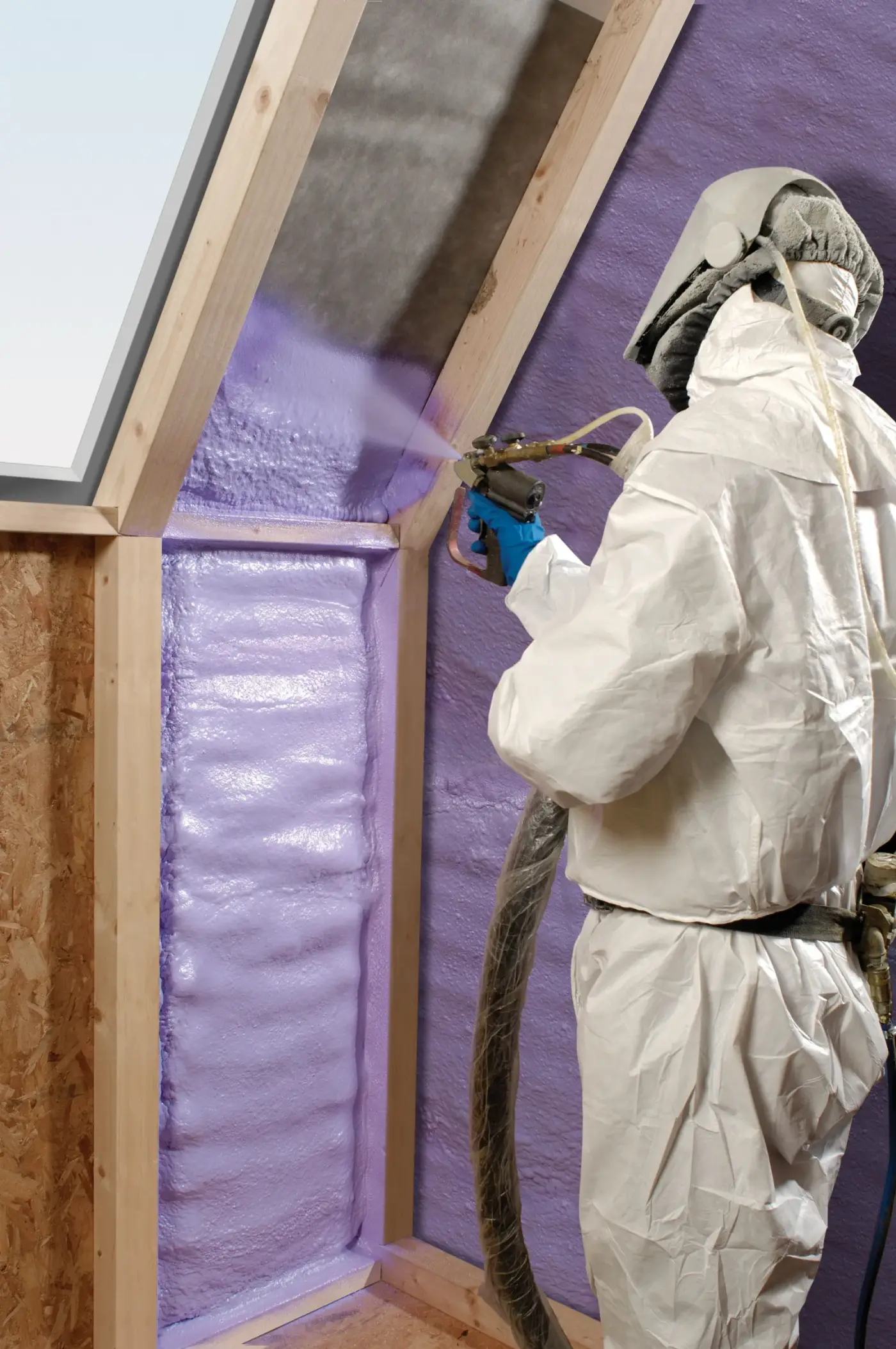
Applying spray foam across roof framing and walls

Hot Attic Solutions

Stop Your Fort Worth Attic From Overheating

Is your Fort Worth home's attic making upper floors unbearable? High temperatures in the attic can significantly impact your home's comfort and energy costs.

Proper air sealing and insulation are crucial for preventing heat transfer and keeping your living spaces cool and comfortable year-round.

Why is my Fort Worth attic so hot?

Fort Worth's long, hot summers mean attics absorb significant solar heat. Without proper air sealing and insulation, this heat easily transfers into your home. Gaps and cracks in the attic floor or around penetrations allow hot air to escape into your living space, making rooms uncomfortable and forcing your air conditioner to work harder. Addressing these issues is vital for energy efficiency.

Understanding Attic Heat Transfer

The sun beats down on your roof, heating the attic space to extreme temperatures. This heat then radiates downwards. Without a proper barrier, it enters your home's conditioned areas. Air leaks around light fixtures, plumbing vents, and attic hatches act like chimneys, allowing this superheated air to escape into your rooms.

The Role of Air Sealing

Before insulation, sealing air leaks is critical. These are unintended gaps and cracks that allow air to pass through. In an attic, this means sealing the attic floor from the living space below. This prevents conditioned air from escaping upwards and unconditioned attic air from entering your home.

Spray Foam for Attic Insulation

Spray foam insulation provides an excellent solution for attics. It expands to fill every crevice, creating a seamless air barrier and insulating layer. This dual action effectively stops air leaks and insulates, keeping your home cooler in the summer and warmer in the winter.

Ductwork and Attic Comfort

Attic ductwork is particularly vulnerable to heat. When ducts are uninsulated or leaky in a hot attic, your HVAC system has to work overtime to deliver cool air. Insulating and sealing the attic space, including around ductwork, significantly improves HVAC efficiency and comfort.

Attic Air Sealing Checklist

  • Identify and seal gaps around plumbing vents.
  • Seal openings for electrical wiring.
  • Caulk around attic access hatches and doors.
  • Address gaps around recessed lighting fixtures.
  • Inspect and seal any penetrations through the attic floor.
  • Ensure soffit and ridge vents are not blocked.
  • Consider professional air sealing for complete coverage.

More Attic Solutions

Explore other ways to improve your home's attic performance and overall energy efficiency. Learn about different insulation types and their benefits.

Common Attic Questions

How does a hot attic affect my home?

A hot attic significantly increases cooling costs, makes rooms uncomfortable, and can shorten the lifespan of your HVAC system by making it work harder.

What is air sealing in an attic?

Air sealing involves closing gaps and cracks in the attic floor and around penetrations to prevent air from moving between the attic and your living space.

Can I insulate my attic myself?

While some insulation can be DIY, proper air sealing requires attention to detail. Professional installation ensures all leaks are found and sealed effectively for optimal performance.

Does spray foam work for attics?

Yes, spray foam is highly effective for attics. It creates a superior air barrier and insulation layer, filling irregular spaces and providing excellent thermal resistance.

Call Now (817) 507-4311