Skip to content
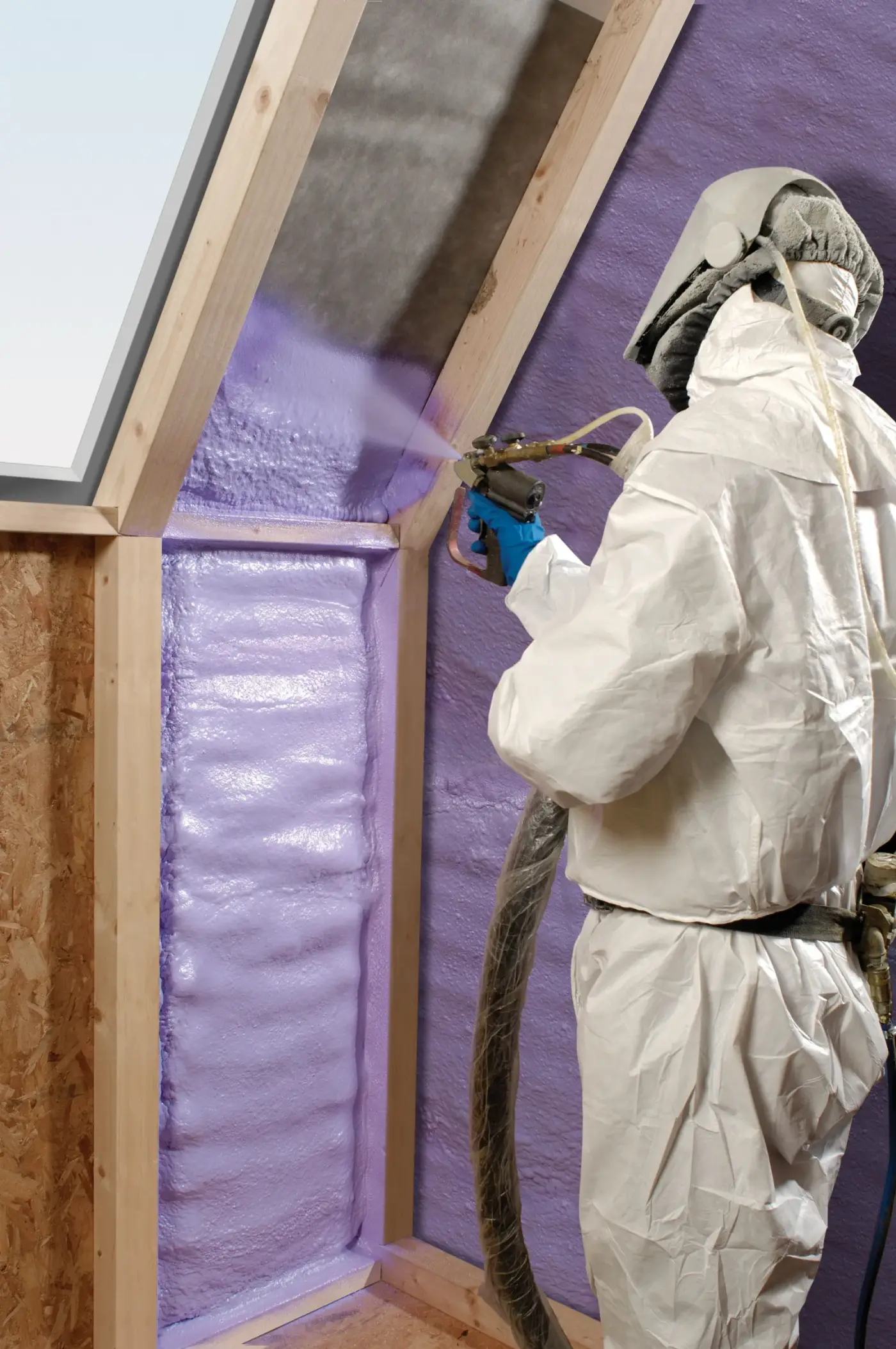
Applying spray foam across roof framing and walls

Attic Inspection Follow-up

Attic Insulation Corrections After a Home Inspection

A recent home inspection in Fort Worth revealed attic insulation or air sealing concerns? We help buyers and sellers address these findings effectively.

Ensure your attic meets energy efficiency standards and provides lasting comfort. Our spray foam solutions can resolve common inspection notes.

Addressing Attic Inspection Notes

If your Fort Worth home inspection report mentioned attic insulation or air sealing problems, it's important to get them corrected. These issues can lead to energy loss, discomfort, and potential moisture problems. Spray foam insulation offers a superior solution for sealing leaks and providing a continuous thermal barrier in your attic, directly addressing common inspection concerns.

Common Attic Inspection Findings

Home inspectors often identify inadequate insulation levels, gaps in air sealing, or poorly installed materials in attics. These can manifest as uneven temperatures, drafts, or increased HVAC workload. Addressing these points is crucial for both buyers and sellers to ensure a home's long-term performance and value.

Spray Foam for Air Sealing

Attics are notorious for air leaks around light fixtures, plumbing penetrations, and the attic floor. Spray foam expands to fill these small gaps, creating an airtight seal that prevents conditioned air from escaping and outside air from entering. This is a key factor in resolving many inspection-related attic issues.

Improving Insulation Performance

Beyond just filling space, spray foam provides a high R-value per inch, offering excellent thermal resistance. It conforms to irregular shapes, ensuring complete coverage where traditional insulation might fall short. This creates a more consistent and effective barrier against heat transfer.

Verification Before Work

Before starting any insulation work, verify that the attic structure is sound and free of existing moisture damage or pest infestations. Ensure any necessary electrical or plumbing work is completed before insulation is applied. Confirm that the chosen spray foam type is appropriate for your attic's specific needs.

Attic Inspection Follow-Up Checklist

  • Review the specific attic insulation and air sealing notes from the inspection report.
  • Identify all penetrations and potential air leak locations in the attic.
  • Determine if existing insulation needs to be removed or supplemented.
  • Confirm the attic ventilation strategy is still appropriate after sealing.
  • Choose the correct type of spray foam for attic application (open-cell or closed-cell).
  • Ensure a qualified professional performs the installation.
  • Request a post-installation inspection if possible.

Other Attic Concerns

Beyond inspection findings, attics in Fort Worth often experience issues with heat and air leakage. Explore solutions for common attic problems.

Attic Inspection FAQs

Can spray foam fix attic air leaks found in an inspection?

Yes, spray foam excels at sealing small to medium air leaks in attics, creating an effective air barrier that addresses common inspection findings.

What if my inspection report mentions moisture in the attic?

Moisture issues need to be addressed by a professional before insulation. Once resolved, spray foam can help prevent future condensation if properly applied.

Is spray foam suitable for attics in Fort Worth homes?

Yes, spray foam is an excellent choice for Fort Worth attics, providing superior insulation and air sealing to combat heat gain and energy loss.

How soon can I use the attic after spray foam installation?

Depending on the type of foam and ventilation, it's typically recommended to allow 24-48 hours for off-gassing and curing before re-entering the attic space.

Call Now (817) 507-4311