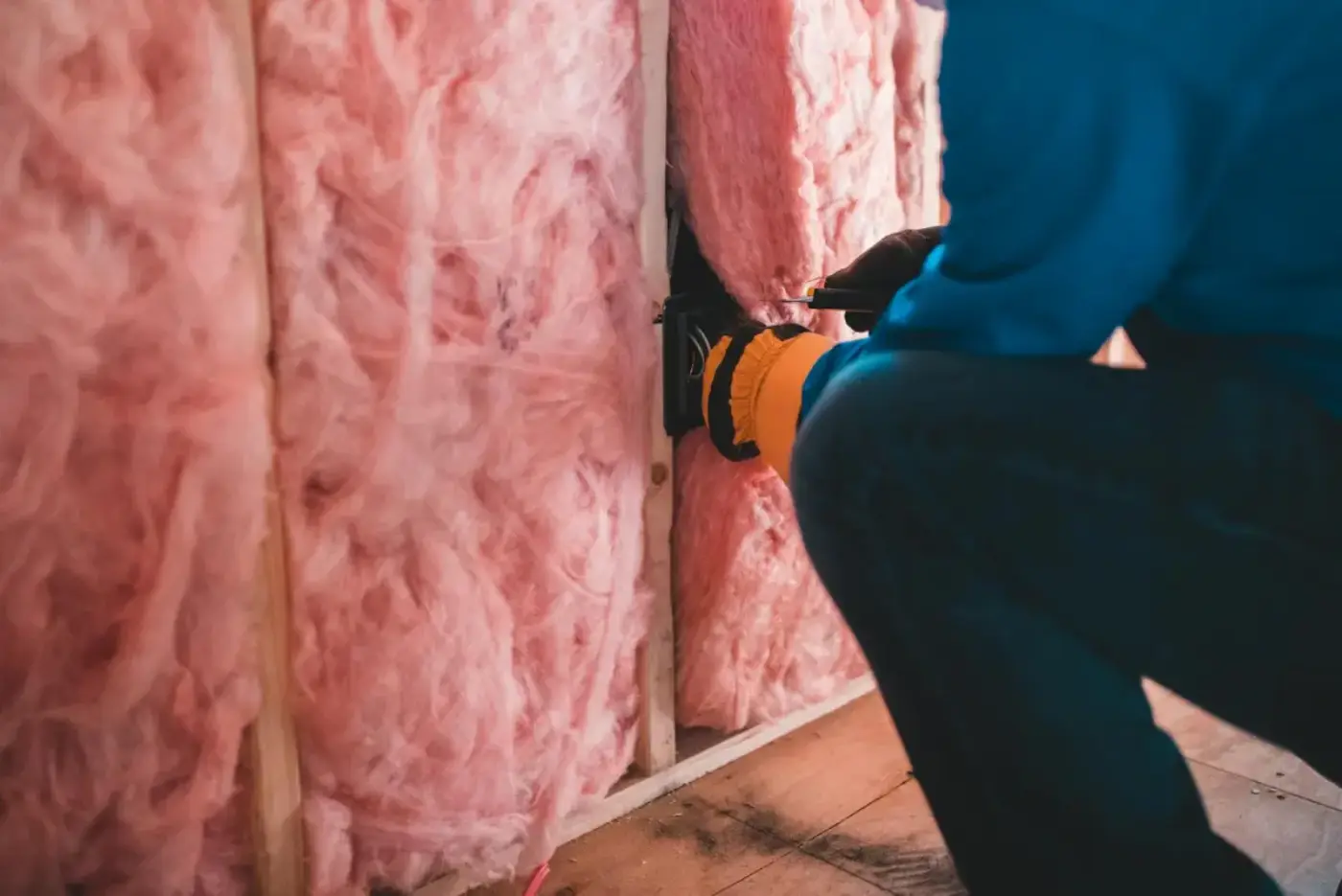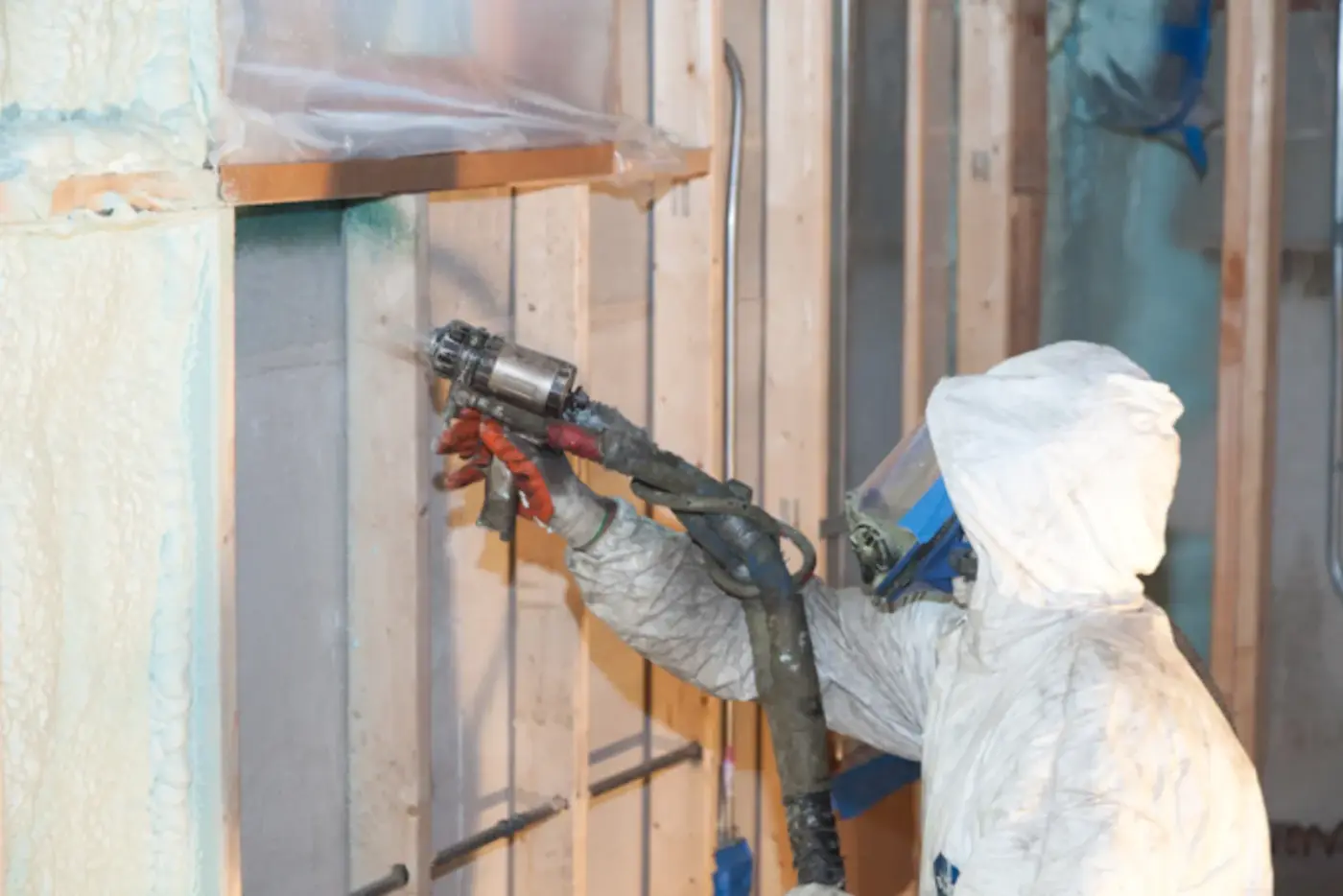
North Texas buildings signal insulation failure loudly: houses that lose every summer afternoon, electric bills that read like car payments, and metal shops that rain condensation indoors each winter morning. The diagnosis behind each is short, and the fix list shorter.
House symptoms
Upstairs unlivable after 3 p.m., AC running continuously against triple digits, rooms far from the air handler warm at the registers, and attic-adjacent closets that feel like ovens. All roads lead up: thin attic coverage, leaky ducts in a 140-degree attic, or both.
Shop and barn symptoms
Ceiling drip on cold mornings (condensation on bare metal), unusable summer heat, and equipment sweating — the metal-building trifecta. Closed-cell on the panels solves all three at once, which is why it dominates this application.
What the pro visit produces
Attic depth and duct assessment, thermal imaging of leak paths, blower-door numbers where warranted, and a zone-by-zone spec: foam type, inches, target R, and expected effect. For shops: panel condition, depth recommendation, and moisture math.
Order of operations
Evaluate before summer if possible — and always before replacing HVAC, because the sealed version of the building wants smaller equipment. Expansive-clay season note: if doors started sticking and walls cracked, that is foundation movement, not insulation; know which trade you are calling.
The call, sequenced
Spring evaluation, pre-summer install, HVAC decisions after the envelope is fixed. Shops book on the same logic before the first cold snap starts the ceiling dripping again.
And keep the trades straight in clay country: sticking doors and stair-step wall cracks are the foundation's department — insulation fixes bills, not settlement.