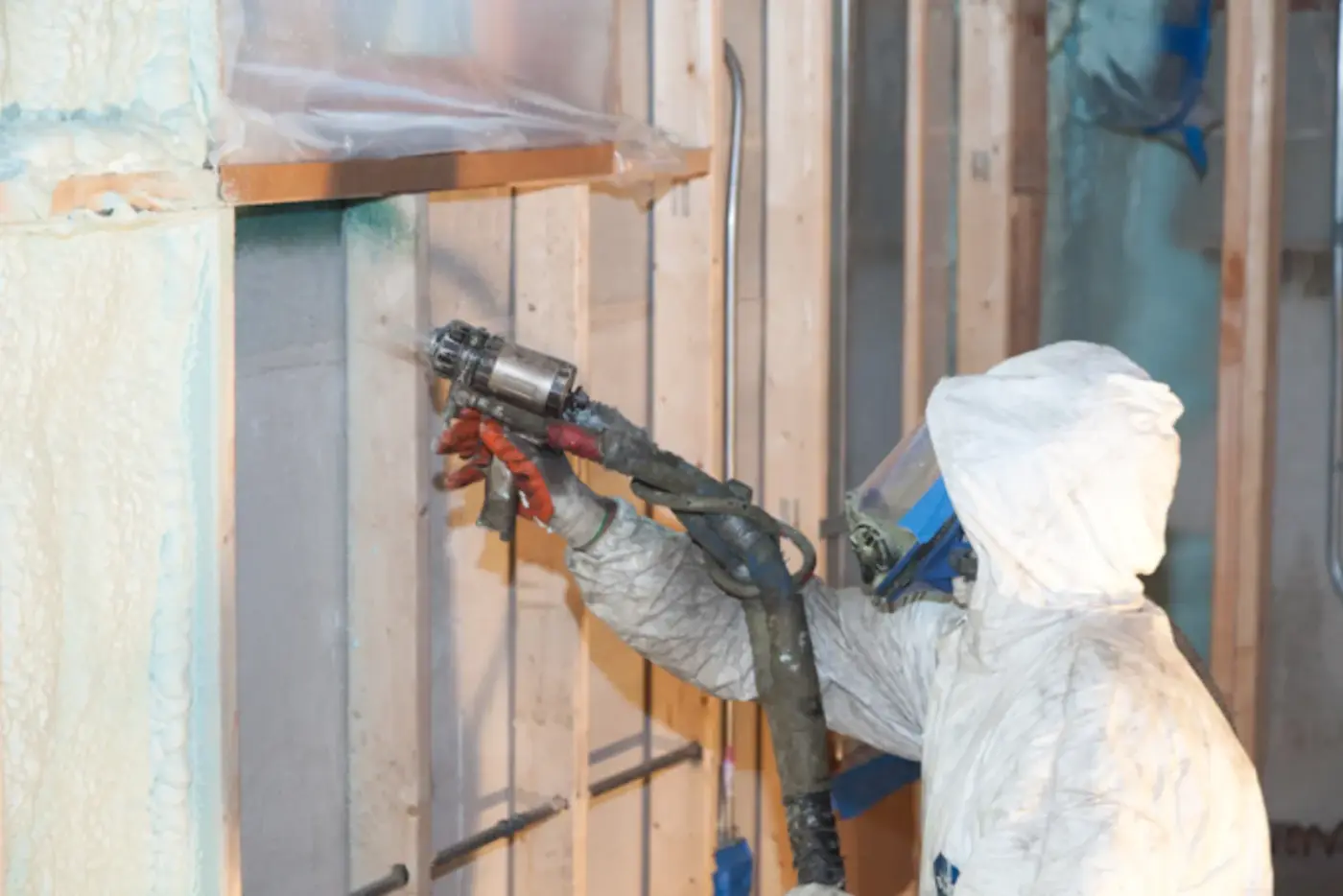
Spray foam prices on board feet — area times depth times foam type — then adjusts for the realities of a North Texas job: summer attic conditions, metal-building specs, and whatever the existing insulation situation turns out to be.
Core arithmetic
Open-cell runs cheaper per board foot; closed-cell packs nearly double the R per inch at a premium. Compare quotes on cost per R per area, which requires bids that state type, inches, and target R for each zone — attic, walls, shop. Vague 'whole attic' quotes are not bids, they are opening positions.
Labor, seasons, and prep
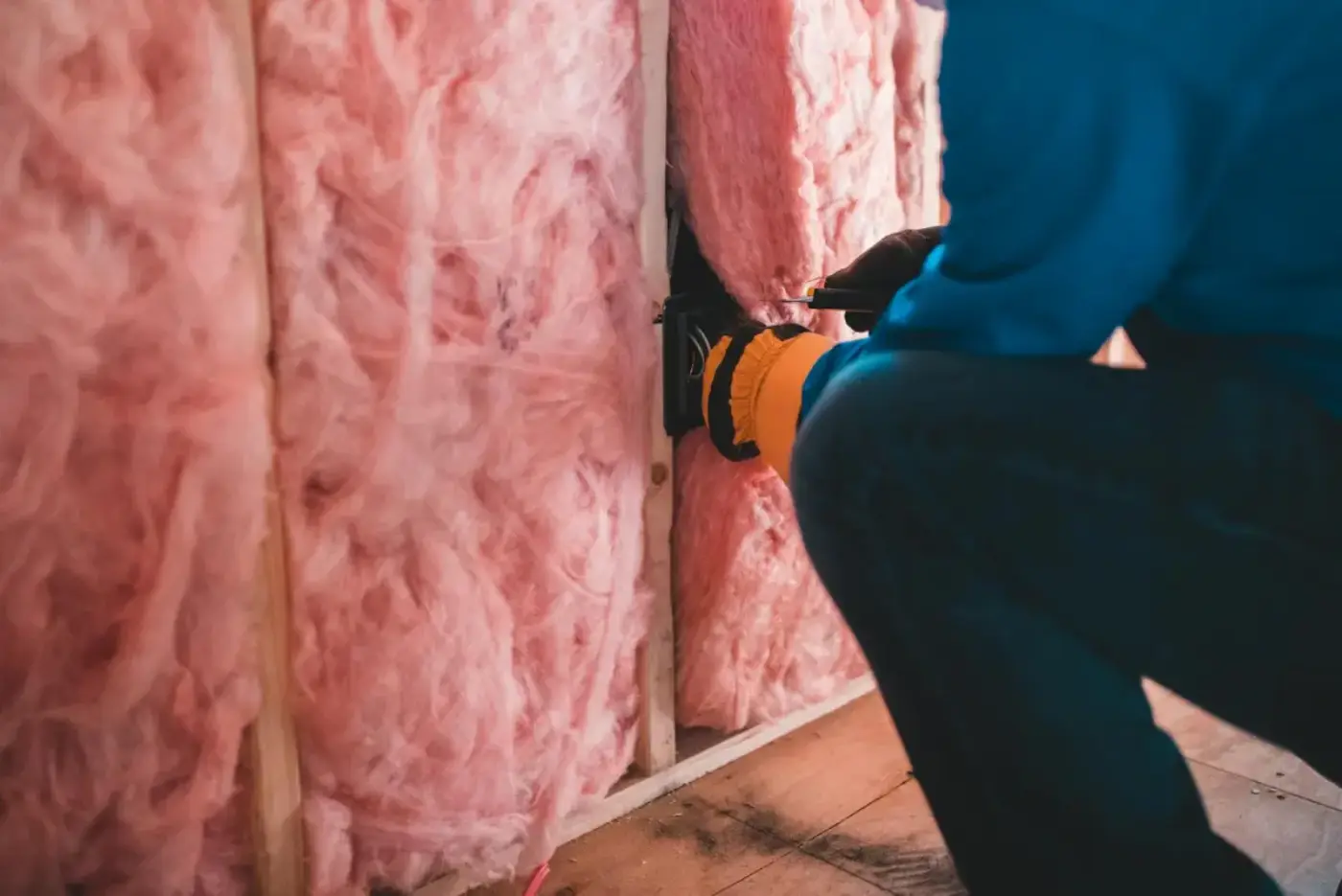
Removing old blown-in is hand labor by the square foot. Summer attic work here means dawn crews and rotation — priced honestly by companies that intend to finish the job well. Occupied homes add masking and staging; open shells price lean.
The metal-building line items
Shops quote by panel area and depth — usually two to three inches of closed-cell — plus surface prep and any lighting or lining work around it. Condensation control is part of the value, and it is why the cheap fiberglass alternative keeps failing in this application.
Scope in the right order
Roof deck first (the radiant load is the bill), duct sealing with it, rim and walls opportunistically. Do not trade thickness for price — a thin roofline in a Fort Worth summer underdelivers forever, and the AC pays the difference monthly.
Holding the spec line
Photos of the attic or shop, hatch and panel details, and a demand for board-foot math get you comparable bids. Negotiate scope and season, never inches — a thin roofline under Texas sun is a monthly invoice with your AC's name on it.
Metal-building work is its own trade done right; the drip-free winter morning is what the closed-cell line item buys.