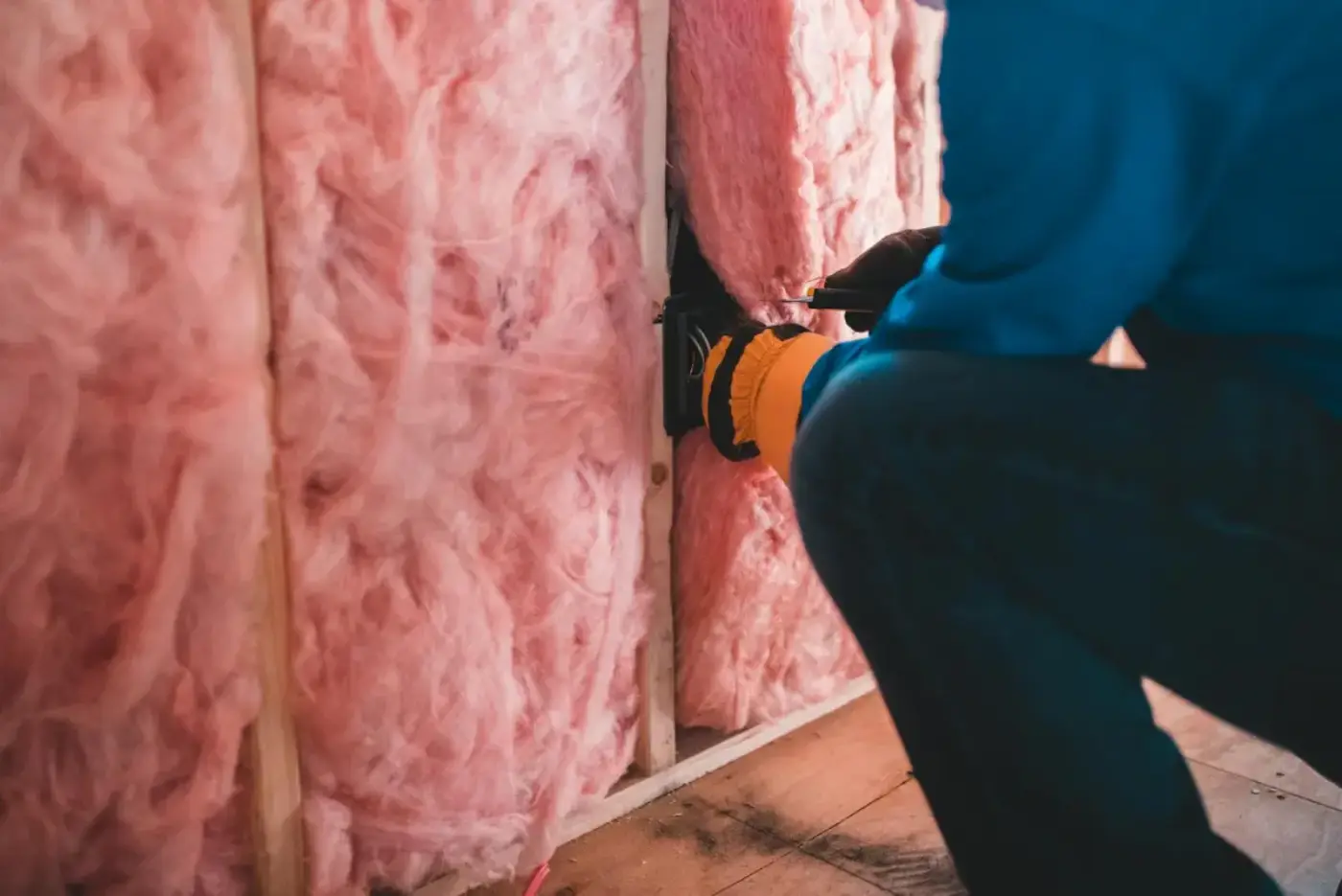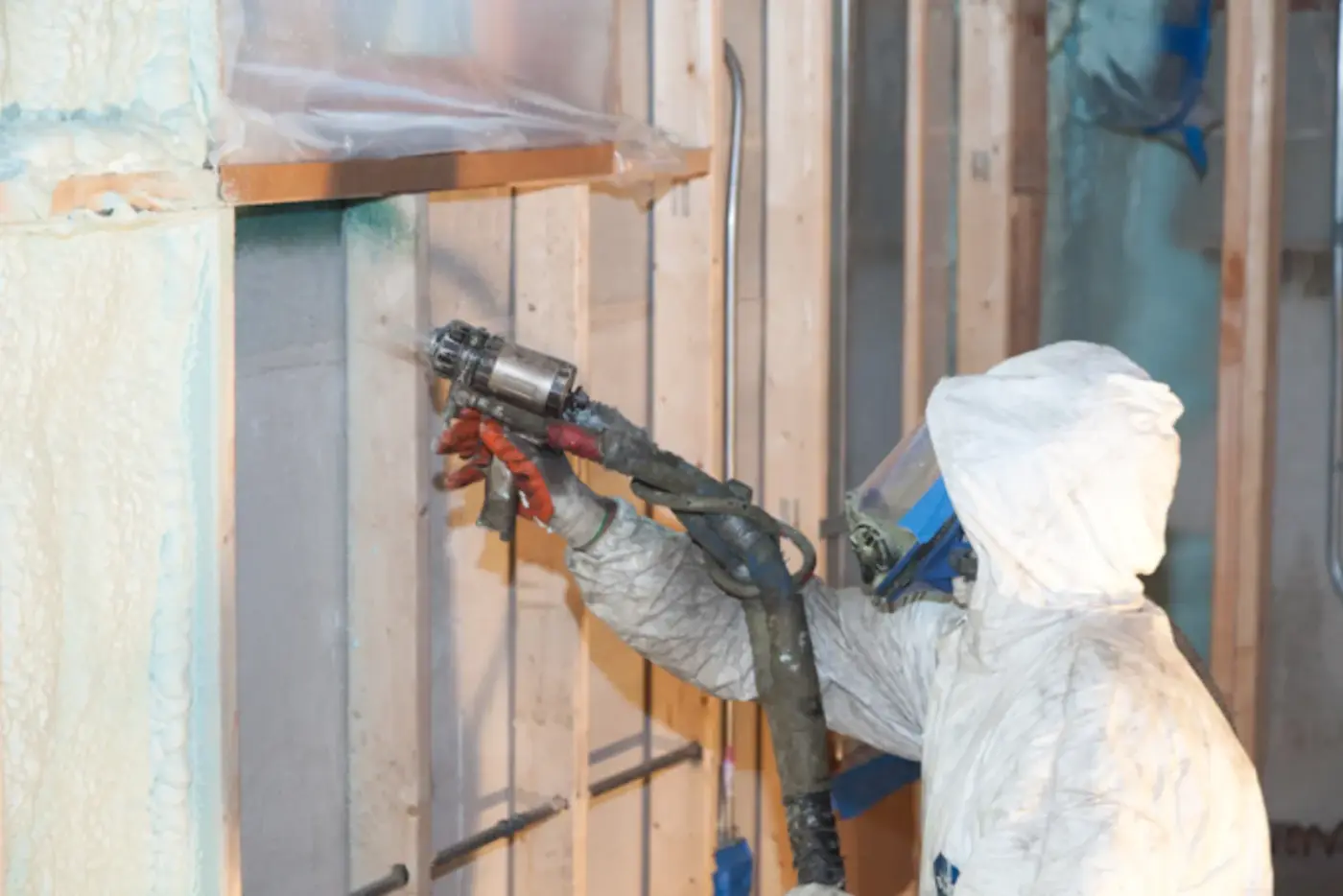
Fort Worth insulation fights a radiant war — triple-digit heat soaking rooflines for months — with a side campaign in humidity and a housing stock rich in metal shops and barns. Open-cell (R-3.7/inch, economical, sound-friendly) and closed-cell (R-6.5-7/inch, rigid, vapor-tight) each have clear wins here.
The rooflines that matter most
Foam at the roof deck pulls Texas attics from 140-plus degrees into the conditioned envelope, rescuing the ductwork that lives up there. Open-cell handles most residential rooflines economically; the spec is depth and coverage, and the payoff is an AC that finally gets afternoons off.
Metal buildings, the Tarrant County specialty
Shops, barns, and steel garages want closed-cell, full stop: it bonds to metal, stops condensation drip (the metal-building curse), stiffens panels, and delivers R in the shallow depth purlins allow. An uninsulated shop here is unusable half the year; two inches of closed-cell changes what the building is for.
Humidity and the vapor question
North Texas is humid enough that closed-cell earns rim joists and any ground-adjacent assignment, while open-cell rooflines remain standard practice with correct thickness. Crawl spaces — present in older Fort Worth neighborhoods — follow the sealed-and-closed-cell playbook.
Spending the difference wisely
Open-cell where depth is free, closed-cell where structure, moisture, or metal demand it. The estimate should assign foam by area with type, inches, and target R — a one-foam quote for a house-plus-shop property means somebody skipped the thinking.
North Texas, one paragraph
House roofline: open-cell at honest depth, ducts inside the envelope. Shop or barn: closed-cell on the metal, condensation solved. Moisture-adjacent framing: closed-cell. Everything else: whichever the depth and budget favor — in writing, by zone.
The building tells you the foam; the bid should prove somebody listened.